Bachelor of Science
Introduction
Botany is one of the Primeval departments of Teresian College, started from the inception of the institution in the year 1963. The department offers BSc., degree with CBZ and CBBt combinations. The department is enriched with rare collection in the museums, gardens, well-equipped labs, and library. The department has qualified, experienced and highly motivated teachers involving themselves in teaching, research and extension activities. The department strives to promote all-round development of the students by inculcating the spirit of quest, discipline and adventure through various academic and co-curricular activities.
B.Sc., Combination:
- Chemistry,Botany and Zoology
- Botany and Zoology
- Chemistry, Zoology and Biotechnology
Syllabus: Click here for PDF
Programme outcome:
- Knowledge of understanding of plant diversity.
- Development of intellectual, practical, and transferrable skills.
- Increase in scientific knowledge.
- Understanding the impact of plant diversity in the environment.
- Study tour and field trips help them to learn individual and teamwork.
- Acquire the knowledge with facts and figures related to various subjects in pure sciences such as physics, Chemistry, Botany, Zoology, Mathematics, etc. understand the basic concepts, fundamental principles and the scientific theories related to various scientific phenomena and their relevancies in the day – to – day life.
- Acquiring the skills in handling scientific instruments, planning, and performing in laboratory experiments.
- Convey and practice social, environmental, and biological ethics.
- Environment and Sustainability: Insist on the significance of conserving a clean environment for perpetuation and sustainable development.
- Self- directed and life- long learning: Study incessantly by self to cope with growing competition for higher studies and employment.
Course outcome:
Critically evaluation of ideas of collecting relevant information about the plant and arranging in the broader classification.
- Evaluate and formulate a position of the plant in taxonomy.
- Students will be able to apply mathematical tools (statistics) and physical principal to analyze biological situations.
- Students will be able to use the evidence of comparative biology to explain how the theory of evolution offers the only scientific explanation for the unity and diversity of life on earth.
- Students will be able to explain how Plants function at the level of the gene, genome, cell, and tissue.
- Gain knowledge of Plant breeding techniques.
- They will be able to give specific examples of the physiological adaptations, development, reproduction, and mode of life cycle followed by different forms of plants.
- Students will be able to explain the ecological interconnectedness of life on earth by tracing energy and nutrient flow through the environment. They will be able to relate the physical features of the environment to the structure of populations, communities, and ecosystems.
HOD'S Message
It’s my privilege to pen down a few things about the Department of Botany of Teresian College. I marvel at the spectacular growth as I gaze into the records of the department. It has completed 57 years of academic excellence with the far-sighted and strenuous efforts of the faculty members in the departmental chronicles. From the inception of the department, it has nurtured and empowered the students to become responsible citizens of the Country. The department holds amalgamations of co-curricular and extra-curricular activities along with academics. The students enter the department with a low profile, but when they exit the College they spread the wings of confidence and competence to soar high and face any challenges of life. The students are the strength of our faculty members without them we are flaccid in nature. The bond that is built between students and the teachers are so strong. Let the magnetic power ripple in the department to grow into larger scales. I expect that the combined efforts taken by all the stakeholders will continue to fulfill our dreams to take the Department to still higher levels of excellence as was the vision of the predecessors.
Vision and Mission
Vision
To explore the plant world and empower women to be the guardians of Nature.
Mission
- Inculcate love of Nature through Scientific knowledge and research.
- To encourage an environment of excellence by attracting and supporting the students to sustain our vision and further commit to academic excellence.
Achievements
- Two students participated in the International poster presentation in Mangalore.
- Poster presentation in National seminar by students.
- Two national seminars were conducted by our department.
- One state-level workshop conducted in collaboration with the NSS unit.
- Teresian digital flora provides digital records about all the plants in the Teresian College campus.
- Students with a low percentage will get admission and when they pass out they will have a good hike in their percentage.
- Bottle gardening- to show what we can do best out of waste.
Faculty Profile
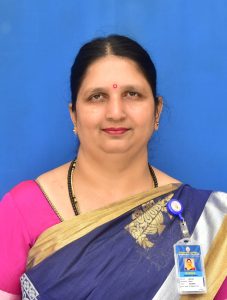
Dr. Sapna B.
Assistant Professor
Qualification : M.Sc., Ph. D
Experience : 04 Years
Specialization : Physiology
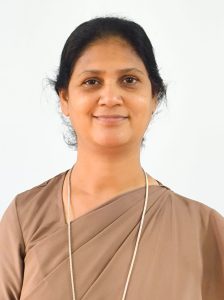
Dr. Sr. Sahaya Mary C.
Assistant Professor & HoD
Qualification : M.Sc, Ph.D
Experience : 12 Years
Specialization : Botany
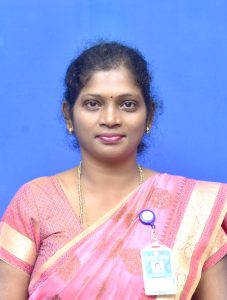
Mrs. Asha D.R
Assistant Professor
Qualification : M.Sc., M.Phil., B.Ed, K-SET
Experience : 06 Years
Specialization : Botany
Introduction
UG Biotechnology is an undergraduate degree programme in applied sciences that amalgamates biological sciences and technology. The Department of Biotechnology was established in 2005. The Department is affiliated to the University of Mysore offering triple main Biotechnology-Chemistry-Zoology. The Department attracts students from all over the country and abroad. The UG Biotechnology is exclusively focused in bridging life science to technology and entrepreneurship.
Core Features
Biotechnology is integrated into natural science and technical course. The department of biotechnology grooms the student with strong theory to nurture them to future opportunities in industries and research. Two consecutive (one odd + one even) semesters constitute one academic year. Choice Based Credit System provides choice for students to select from the prescribed courses (core, elective or minor or soft skill courses). To bring in the desired uniformity, in grading system the cumulative grade point average (CGPA) based on the performance of students in the examinations is followed as per the UGC. Students can explore job opportunities in Government and Private firm. The students have privilege to purse B.Ed in few institutes.
Departmental Activities
- Talk on future prospects of biotechnology by Pradeep HP, HongKong on 20-01-2018
- Talk organised by UG Department of Biotechnology by Dr. PrakashHalami, Senior Scientist, CFTRI, on Food Microbiology August 2016.
- Talk organised by UG and PG Department of Biotechnology by Dr. Sabapathi, Associate director, DFRL, on Food Packaging, 28, February 2016.
- Hurmine ridha of Biotechnology 2016-2017 batch – University topper gave a talk on Preparation for various PG exams on 13 January 2018.
Workshop organised
- One day state level workshop was conducted by Dept of Biotechnology and HD on 31-01-2018
Industrial/Field Visit
- Visit to Mega Dairy- Mymul 08th January 2020
- One day visit to Gopal Gowda Memorial Hospital 10th July 2019
- One day visit to Defense Food Research Laboratory 16th January 2019.
Extension Activity
- Zarena and Dr. Manasa, Visit to NSS Camp, Yandhalli, Mysuru- 11-01-2020
- Students Visit to Charity Home, Gudalur, Nilgiris on January 2019
Research
The department provides an ideal milieu for interdisciplinary collaborative research and interaction between students and faculty. The major research areas are in the field of Biofertilizers and Bioinformatics. The Faculty members welcome active industrial consultancy.
Courses offered: BSc. – CZBT (Chemistry, Zoology and Biotechnology)
B Sc (Biotechnology) | Course Outcome |
Genetics and Cell Biology | Course outcomes: By the end of the course the student will be able to have a firm foundation in the fundamentals of Cell Biology, cell signalling, signal transduction, development of cancer, knowledge on chemotherapeutic agents and genetic disorder. |
Biochemistry | Course outcome: Student will be gain knowledge on chemistry of life, metabolic pathway and enzymology. |
Immunology and Medical Biotechnology | Course outcomes: By the end of the course the student will be able to understand infections caused by different bacteria and viruses. Immune Mechanisms, and various Immuno techniques like ELISA, RIA, Western Blot and Southern Blot. |
Molecular biology and Genetic engineering | Course Outcomes: By the end of the course the student will be able to acquaint students with applications of genetic engineering like transgenic plants, animals and understand molecular biology tools and techniques. |
Environment Biotechnology and Bioinformatics | Course Outcomes: To acquaint students with applications of biotechnology in pollution abatement and detection like bioremediation, and using different techniques like biosensors, immobilisation of cells. Another objective of this course was to acquaint learning and understanding basic concepts of Bioinformatics and the tools used in Bioinformatics. |
Industrial Biotechnology | Course outcomes: By the end of the course the student will be able to understand the various aspects in dairy technology, the concept of biosensors and gain knowledge about IPR |
Programme Outcome
1) Graduates will gain and apply knowledge of Biotechnology, Science and Engineering concepts to solve problems related to field of Biotechnology.
2) Graduates will develop a good writing and communication skill
3) Graduates will be able to design and develop solution while keeping in mind safety factor for environmental & society.
4) Graduates will be able to undertake any responsibility as an individual and as a team in a multidisciplinary environment.
Pursue post-graduation in biotechnology
Higher Education M.Sc. and Ph.D
Fellowship: CSIR, UGC, ICMR, ICAR, DBT, GATE
GRADUATE APTITUDE TEST-BIOTECHNOLOGY (GAT-B) (replaces JNU-CEEB)
B.Ed in RIE-NCERT Entrance EXAM
JOBS
Eligible for all competitive exam jobs
Work under Scientist or Professors in Projects
Jobs in Private /Government sectors
Laboratory Technician/Assistant
Entrepreneur
Biopharma company
Research and Development (R&D)
Intellectual Property Research and Patenting
Teaching in Private and Government colleges
Best practice
- Students are advised to carefully discard the chemicals and microorganism creating awareness about the environmental hazard.
- Topper of the class is made to give a presentation on how to prepare and face the examination to subordinate class
HOD's Message
Biotechnology is a highly refined and sophisticated discipline. Our department is complied by having experienced faculty with a rich and varied teaching and research exposure. Department of Biotechnology (DBT), Government of India has immensely inspired the Biotechnology research and development activities through several researches. I hope you will have comfortable stay and joyful learning experience at Department of Biotechnology in Teresian College.
Vision and Mission
Vision:
“Visualizing Life Science through technology”
Mission:
- To provide quality teaching and research to create future Entrepreneur and Professionals
- To create awareness towards socio-ethical implications of biotechnology.
Achievements
Students Achievements
- Ms. Jaanaky Vigneshwaran was elected as an academic secretary for the “Federation of International Students Association” Mysore in 2019 for 8 months.
- Hurmine Ridha- University of Mysore First Rank holder in BSc for the academic year 2017-2018. She also participated in the republic parade for top100 students.
- Bhanupriya won second prize in oral presentation 2017, Association of Microbiologist, CFTRI Mysore.
- Sahana Prakash, I year Biotech NCC, selected to participate in Republic Parade 2019.
- Veronica A and Ms. Tejeswini won a cash prize of Rs. 2000/- 2018-2019 from Karnataka Rajya Vijnana Parishat. Topic : polymerase chain reaction
- Veronica A and Ms. Tejeswini won second prize of Rs. 2000/- 2019-2020 from Karnataka Rajya Vijnana Parishat. Topic : Gene cloning
- Shristi Dev cleared the JNU Biotechnology entrance and has taken up MSc. Biotechnology at Pondicherry University 2019-2021 with a fellowship of Rs 5000/ pm
Internship: Ms. Shristi Dev, Ms. Kusuma (2019) completed their internship on Lipidomics at Adwithya Technologies, Mysore
Alumnus Achievers: Ms. Srishti Dev cleared the JNU CEEB
Faculty Profile
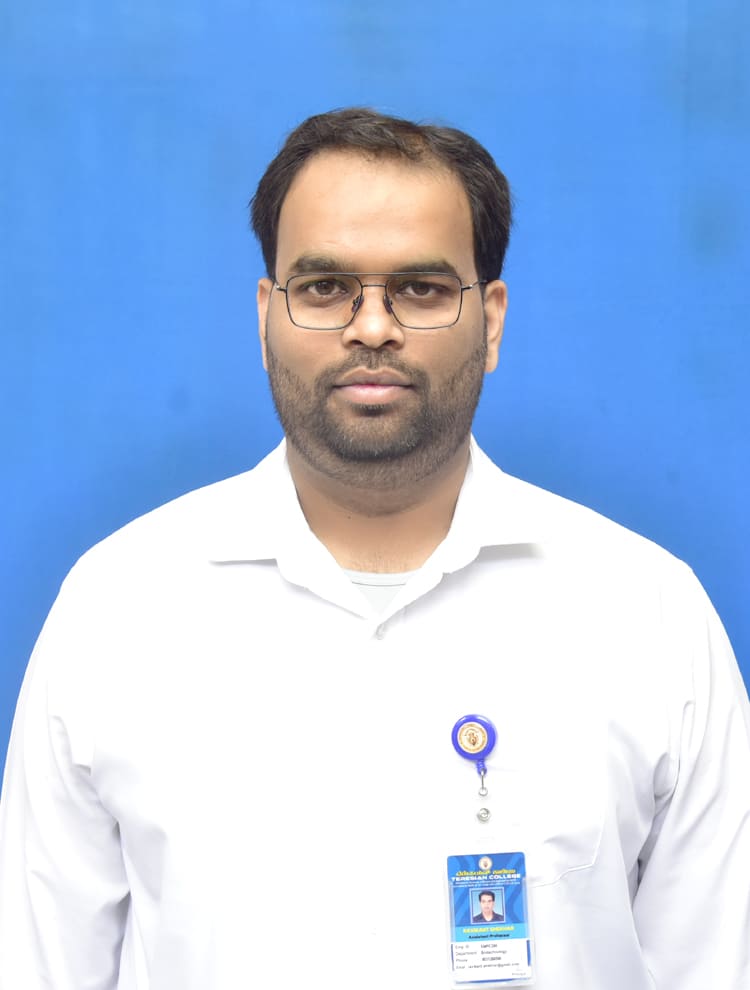
Mr. Ravikant Shekar
Assistant Professor
Qualification : M.Sc.
Experience : 03 Years
Specialization : Biotechnology
Mr. Wilfred A.
Assistant Professor & HOD
Qualification : M.Sc
Experience : 08 Years
Specialization : Biotechnology
Introduction
Established in 1963, the Chemistry Department at Teresian College has a rich history of academic excellence and innovation. Initially, Sr. Anjelica spearheaded the development of the department’s laboratory infrastructure and led it until 1968. Subsequent leadership included Prof. R. Shanthamani until 2000, followed by Prof. Lakshmirangaswamy until 2007. Dr. Vasantha R. A. then took the reins from 2007 to 2020, with Mr. Prasad N V currently at the helm. Over the years, the department has grown significantly, catering many students across various disciplines. Initially catering to both P.U.C and degree students until 2000, it currently offers courses in various combinations.
The department boasts two spacious and well-equipped laboratories, equipped with state-of-the-art instruments such as a four-decimal closed balance, thermostats, UV-Visible Spectrophotometer, Soxhlet Apparatus and Rotavapour. Additionally, the department maintains its own library with a collection of nearly ninety books; ensuring students have access to comprehensive resources.
The department is led by dedicated faculty members who are committed to mentoring students academically, personally, and emotionally through a mentorship system.
The department emphasizes hands-on learning, encouraging students to participate in experiments and projects. It also promotes environmental awareness by minimizing chemical usage in experiments. Students are encouraged to engage in creative activities like making charts and collages on recent developments in chemistry.
CORE FEATURES
The Department of chemistry caters to the needs of all levels of students. It is happy to note that students from rural background having a minimum pass percentage get distinctions when they leave the course. It is a common feature that the department has always secured above 90% of pass. The slow learners in the subject are given extra attention and coaching to bring them into the mainstream.
The Chemistry Department at Teresian College has a strong legacy of academic achievements, with students consistently performing well in their studies. The department continues to evolve, offering certificate courses like Archaeochemistry and focusing on interdisciplinary research. As it moves forward, the department remains committed to fostering a dynamic learning environment that prepares students for careers in the chemical industry and beyond.
COURSES OFFERED
National Education Policy (NEP)
- Chemistry & Physics
- Chemistry & Mathematics
- Chemistry & Botany
- Chemistry & Zoology
- Chemistry & Biotechnology
State Education Policy (SEP)
- Physics, Chemistry, Mathematics.
- Chemistry, Botany, Zoology
- Chemistry, Botany, Biotechnology
BEST PRACTICES
- Department follows Mentor system to cater to the academic, personal and emotional issues of the students.
- Students are advised to use minimum amount of chemicals for their experiments, creating awareness about the pollution caused by chemicals.
- Students voluntarily work, help in keeping the labs and campus clean.
- Students are encouraged to make charts and collage on the latest developments in the field of chemistry.
- Value education classes are taken regularly on fourth hour of every Tuesday. Based on the needs of students curriculum has been designed.
- Students are encouraged to take minor project works.
HOD'S Message
Welcome to the Department of Chemistry at Teresian College. Chemistry is a multidisciplinary science at UG level engaged in initiatives in biological, chemical and physical sciences. Teaching programme in Chemistry provides quality and up-to-date training by qualified teachers in the department. Our laboratories are spacious and equipped with appropriate necessary equipments. The department has dynamic, vibrant and highly stimulating teaching staff and teaching aids. The range of courses with chemistry offers wide options for higher studies, such as work experience in the chemical industry and career opportunities. Prizes are awarded for students having outstanding achievements.
Vision and Mission
VISION :
Chemistry for Life and Society
MISSION :
To provide quality and relevant education in Chemical Sciences and to carry out scholarly work with relevance to contemporary problems facing society and industry.
Achievements
Staff Achievements
- Mr. Prasad Presented a paper in one day national conference on “Recent Advances in Material Science” on 5th February 2019
Student Achievements
- Many of our students get distinctions and first class and the department has good consistent results above 90 %.
- Each year more than 75% of the students pursue higher education.
- HURMINE RIDHA (2017) – First Rank in B.Sc, University of Mysore, has secured 5 Gold Medals and 7 Cash Prizes.
- MANASA D.P (2017) – Subject Scholar in Chemistry, has secured 7 Gold Medals and 9 Cash Prizes.
- LIKITHA G (2024) – Subject Scholar in Chemistry, has secured 2Gold Medals.
Faculty Profile
Mr. Prasad N.V
Assistant Professor
Qualification : M.Sc,.B.Ed, KSET
Experience : 09 Years
Dr. Ashwini N.
HoD & Assistant Professor
Qualification : M.Sc, Ph.D, UGC-JRF, NET
Experience : 09 Years
Introduction
Established in the year 1996.
The spacious classroom is equipped with Smart board and ICT facility.
Presently all Computers in the lab are connected by LAN and networked with other computers in the campus and
Wi-Fi connectivity is available to the department
All PCs of Computer lab have broadband internet connectivity.
Courses offered
- Physics, Mathematics and Computer Science
- Criminology & Forensic Science , Biotechnology and Computer Science
Syllabus: Click here for PDF
Programme Outcomes
- Computational Knowledge – Apply fundamentals of computing, mathematics, and science to solve problems.
- Problem Solving – Analyze problems and design efficient, logical solutions.
- Programming Skills – Develop and implement software using appropriate languages and tools.
- Modern Tools Usage – Use current technologies, software, and development frameworks effectively.
- Data Handling – Manage and analyze data using databases and analytical techniques.
- System Understanding – Understand computer architecture, operating systems, and networks.
- Ethics & Responsibility – Follow professional ethics, cyber laws, and social responsibilities.
- Lifelong Learning – Adapt to emerging technologies and continue self-learning.
- Project Development – Design and complete software projects from concept to deployment.
- Entrepreneurial Skills – Apply computing knowledge for innovation and entrepreneurship.
Course outcome
- The program builds foundational knowledge of computer systems, including number systems, data representation, logic circuits, and hardware components. It familiarizes students with operating systems, programming languages, networking, multimedia, and the internet. Students develop skills in algorithm design, flowcharts, and C programming, covering control structures, arrays, functions, pointers, and file handling. It also introduces core concepts of data structures and problem-solving techniques.
Students will be able to select appropriate data structures for specific problems and perform operations such as searching, insertion, deletion, and traversal. They will apply these concepts in domains like DBMS and compiler construction, and effectively use both linear and non-linear data structures, including stacks, queues, and linked lists.
The learner will be able to describe data models and schemas in DBMS
To understand the features of database management systems and Relational database.
To use SQL- the standard language of relational databases.
To understand the functional dependencies and design of the database.
To understand the concept of Transaction and Query processing.
Design and Analysis of Algorithms Course Outcomes:
Ability to analyze the performance of algorithms.
Ability to choose appropriate algorithm design techniques for solving problems.
Ability to understand how the choice of data structures and the algorithm design methods impact the performance of programs.
To clear up troubles the usage of set of rules design methods
Data Communication and Computer Networks Course Outcomes:
Students should be understand and explore the basics of Computer Networks and Various Protocols. Student will be in a position to understand the World Wide Web concepts.
Students will be in a position to administrate a network and flow of information further he/she can understand easily the concepts of network security, Mobile and ad hoc networks.
Able to introduce the fundamental various types of laptop networks.
Get introduce with demonstration of the TCP/IP and OSI fashions with merits and demerits.
Awarded with the knowledge to explore the various layers of OSI model.
Operating Systems
The role of operating system as System software.
Compare the various algorithms and comment about performance of various algorithms used for management of memory, CPU scheduling, File handling and I/O operations.
Apply various concept related with Deadlock to solve problems related with Resources allocation, after checking system in Safe state or not.
To appreciate role of Process synchronization towards increasing throughput of system.
Describe the various Data Structures and algorithms used by Different OS.
Object-Oriented programming with C++
Understand the features of C++ supporting object oriented programming
Understand the relative merits of C++ as an object oriented programming language
Understand how to apply the major object-oriented concepts to implement object oriented programs in C++, encapsulation, inheritance and polymorphism
Understand advanced features of C++ specifically stream I/O, templates and operator overloading
Web Designing with html
Be able to use the HTML programming language
Resolves written HTML codes.
Runs the page designed using HTML code
Computer network
Describe the functions of each layer in OSI and TCP/IP model.
Explain the functions of Application layer and Presentation layer paradigms and Protocols.
Describe the Session layer design issues and Transport layer services.
Classify the routing protocols and analyze how to assign the IP addresses for the given network.
Describe the functions of data link layer and explain the protocols.
Explain the types of transmission media with real time applications
Numerical Algorithms and Operation Research.
On completion of this module the learner should be able to:
Apply appropriate algorithms to solve selected problems, both manually and by writing computer programs
Compare different algorithms with respect to accuracy and efficiency of solution.
Analyze the errors obtained in the numerical solution of problems.
Using appropriate numerical methods, determine the solutions to given non-linear equations.
Using appropriate numerical methods, determine approximate solutions to systems of linear equations.
Using appropriate numerical methods, determine approximate solutions to ordinary differential equations.
Demonstrate the use of interpolation methods to find intermediate values in given graphical and/or tabulated data.
Be able to understand the characteristics of different types of decision-making environments and the appropriate decision making approaches and tools to be used in each type.
Be able to build and solve Transportation Models and Assignment Models.
ASP.NET Learning outcomes:
At the end of the course the participant will Create a Web form with server controls.
Separate page code from content by using code-behind pages, page controls, and components.
Debug ASP.NET page.
Creating Web Forms
Adding ASP.NET Code to a Page
Handling Page Events
Object Oriented Programming with JAVA
Implement Object Oriented programming concept using basic syntax of control Structures, strings and function for developing skills of logic building activity.
Identify classes, objects, members of a class and the relationships among them needed for a finding the solution to specific problem
Demonstrates how to achieve reusability using inheritance, interfaces and packages and describes faster application development can be achieved.
Demonstrate understanding and use of different exception handling mechanisms and concept of multithreading for robust faster and efficient application development.
Identify and describe common abstract user interface components to design GUI in Java using Applet & AWT along with response to events
Certificate course
Certificate course on “Computer fundamentals and web designing “
HOD'S Message
I would like to extend my warmest welcome to the department of Computer Science, Teresian College Mysore, and Karnataka. If you are interested in a programming, you can start your career here. The department has a team of experienced and motivated faculty members who are in practice of tuning the young minds to lead them to globally competitive. The department is dedicated to impart quality education and producing highly skilled graduates. The department follows the curriculum of university of Mysore. The department has well equipped classrooms with ICT enabled learning technologies. Over the years many of our students are placed in different IT companies. We focuses on the development of the students by a combination of both curricular and extracurricular activities and we always keep a strong teacher student bond for effective learning.
Mrs.Princy Joy
HoD & Asst.Professor
Vision and Mission
Vision
To be a stepping stone of the future innovative programmers in the field of Computer Science.
Mission
- To empower the students with the required skills to solve the complex technological problems
- Provide a learning ambience to enhance innovations, provide computer science education and training to students in other departments
- Provide leadership qualities, team-spirit and ethical responsibilities.
- To empower students to learn about the technical skills.
Achievements
- B.Sc Computer Science
Faculty Profile
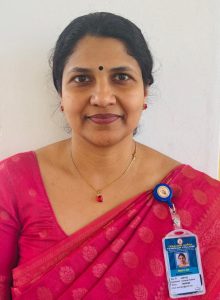
Mrs. Princy Joy
Assistant Professor & HOD
Qualification : M.Sc.
Experience : 20 Years
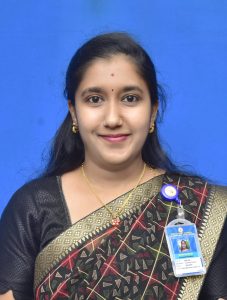
Ms. Shwetha Bai M.
Assistant Professor
Qualification : M.Sc,B.Ed
Experience : 05 Years
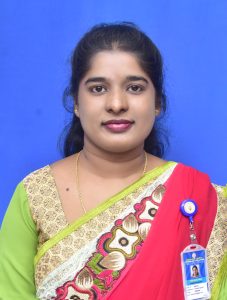
Ms. Fouzia Sultana
Assistant Professor
Qualification : MCA
Experience : 02 Years
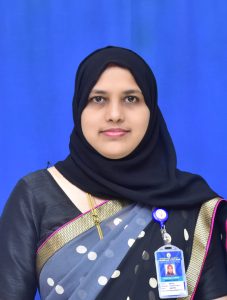
Mrs. Noor Sara Jabeen
Assistant Professor
Qualification : M.Sc Computer Science and Technology
Experience : 04 Years
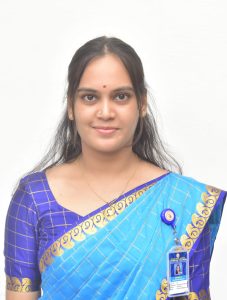
Ms. Anusha R.
Assistant Professor
Qualification : MCA
Experience : 01 Year
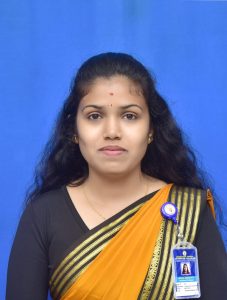
Ms. Nidhi N. Nenekatte
Assistant Professor
Qualification : MCA
Experience : 01 Year
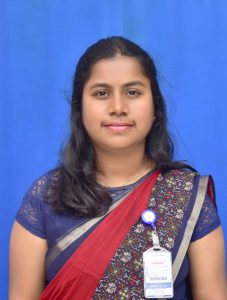
Ms. Chandana M. S.
Assistant Professor
Qualification : MCA
Experience : 01 Year
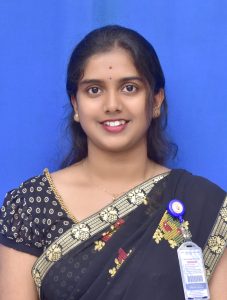
Ms. Lakshmi S. K.
Assistant Professor
Qualification : MCA
Experience : 01 Year
Introduction
The Department was established in 1963. Prof. Valsa Mathew served and developed the Department and retired in 1998. Prof. P. K. Mary served in the Department till 1985 and was transferred. Prof. Saly Abraham joined the department in 1986 and retired in 2023. After the superannuation of Prof. Valsa Mathew in 1998, Dr Jeyanthi.C joined the Department in 2000 and continuing her service till date, is presently the head of the department. Sanmathi Urs C. joined the department in 2018 and continuing till date. The Department has well qualified and dedicated faculty.
Practical’s in Mathematics was introduced in 2015-16 batch onwards with Free and Open Source Software (FOSS) tools for computer programs. CBCS was implemented in 2018-19. NEP was implemented in 2020-21. SEP was implemented in 2024-2025.
Infrastructure
- ICT enabled Spacious classrooms are available.
- Well-equipped lab with enough systems for individual student.
- Internet connectivity is available.
courses offered:
B.Sc.
Physics, Chemistry and Mathematics
Physics, Mathematics & computer Science
Program outcomes, program specific outcomes, course outcomes
Program specific outcomes
- Formulate and analyse mathematical problems, precisely define the key terms and draw clear and reasonable conclusions.
- Use mathematical techniques to solve well defined problems and present their mathematical work, both in oral and written format to students.
- Read, understand and construct correct mathematical proofs.
- Explain the importance of mathematics and its techniques to solve real life problems and provide the limitations of such techniques and the validity of the results.
- Continue to acquire mathematical knowledge and skills.
- Motivate students for higher studies and research.
- Prepare students to work independently and collaborate effectively in team work and team building.
- Understand mathematical ideas from basic axioms.
- Identify the applications of mathematics in other disciplines and society.
- To introduce concepts of mathematics with emphasis on analytical ability & computational skill needed in competitive examinations.
program outcome
Apply the knowledge of science fundamentals to solve problems in chosen field.
Identify and review literature, thereby analysing problems to arrive at substantiated solutions using the basic principles of science.
Apply reasoning to assess the societal issues like health, safety, legal and cultural to dominate the need for sustainable development.
Apply ethical principles and commit to the professional ethics and norms.
To understand the impact of responsibility of pursuing the environment and demonstrate the need for sustainable development.
Function effectively as an individual and as member or leader in diverse teams in multi – disciplinary settings.
Demonstrate the knowledge of the understanding of the fundamental principles and apply the same in one ‘s own practice and to manage environment.
Recognise the need for and have the preparation and ability to engage in independent and lifelong learning in the broadest context of latest technology.
COURSE OUTCOME:
Differential calculus:
Upon successful completion of the course, students will be able to
- To find the nth derivatives of functions
- Apply the Leibnitz’s theorem for finding nth derivative of product of two functions.
- Apply the chain rule for functions of several variables.
- Apply Taylor’s and Maclaurin’s series for finding series expansions of functions and approximating values.
- Understand the concept of indeterminate forms, their occurrence in problems and their evaluation
- Describe the concepts and applications of derivatives and higher order derivatives
- Understand the ideas of derivatives and higher order derivatives
- Develop skill in finding the partial derivatives of functions of several variables and various rules associated.
Integral calculus:
Students will able to
- Acquire the knowledge of integration, basics of Definite Integrals, properties and Reduction formula.
- Acquire the basic ideas of line, double and triple integrals.
- Apply the techniques of double and triple integral to various problems of finding length of plane curves, surface areas and volumes of surfaces of revolution
- To evaluate multiple integrals by Changing the variables.
- To understand the basics of Improper Integrals- Gamma and beta functions and results, connection between Beta and Gamma function, Applications of evaluation of integrals, Duplication formula.
Differential equations.
- Gain Knowledge of fundamental concepts of solution of differential equations by
- Using different methods to solve first order, first degree linear differential equations.
- To determine solutions to second and higher order linear differential equations (homogeneous and non-homogeneous) with constant coefficients.
- Acquire the idea for solving the first and higher order partial differential equations.
Algebra.
1.To understand the concept of theory of equations and methods to solve equations of different degree-Cardon’s method, Descarte’s method.
2.Learn more about matrices and matrix methods to solve system of equations by verifying consistency of equations.
3.Acquire the basic knowledge of Number Theory and standard theorems.
Group theory
1.Acquire the basic knowledge and the definition and structure of Group, Subgroup and Cyclic Groups.
2.Explain the significance of the notion of a normal subgroup, and of a simple group.
3.Analyze and demonstrate examples and theorems on subgroups, normal subgroups and quotient groups.
4.Use Lagrange’s Theorem to analyze the cyclic subgroups of a group.
5.Acquire the notion of permutations and operations on them.
6.Prove Cayley’s theorem and understand its applications.
7.Develop an idea about Isomorphism, homomorphism and automorphism.
Rings and fields–
- Upon successful completion of the course, students will be able to
2.Describe a ring, subring, quotient ring, ideals, units and associates.
3.Understand Quotient Rings, Ideals and their existence with examples
4.Differentiate between Ring Ideals and Quotient Rings and also their properties
5.Understand the Integral Domains, Fields and Divisors of Zero
6.Understand Homomorphism and isomorphisim of rings.
7.Rings of polynomials and its factorization over a field.
8.Unique Factorization domain, Eienstien criterion related results
Linear algebra:
Students will able to
1.Define Vector Space, Quotient space Direct sum, linear span and linear independence, basis.
2.Understand the Theorems on linear combination, linear span, linear dependence, independence, Basis and Dimension of Homomorphism and Isomorphism of vector space and direct sums.
3.Define linear maps as matrices, rank and nullity and understand rank and nullity theorem
F4.ind the characteristic equation, eigen values and eigen vectors of a matrix of a linear transformation
5.Solve the system of simultaneous linear equations.
Riemann Integration
Upon successful completion of the course, students will be able to
1.Understand Integrability, criterion for Integrability and theorems on integrability like Fundamental theorem of calculus, Change of variables, Integration by parts, first and second Mean value theorems of Integral calculus.
- Define Riemann integrable, Upper sum, lower sum and Riemann sums
3.Prove a theorem about Riemann sums and Riemann integrals.
4.Understand the Integrability of continous and monotonic functions discontinuous functions
5.Develop a knowledge about Riemann Integration and applies into problems
Real analysis:
Students should be able to:
Understand Real Sequences-
- Define bounded, unbounded, Infimum, supremum and limit of sequences.
- Prove standard theorems on limits. Convergent, divergent and oscillatory sequences, monotonic sequence, Cauchy’s general principle of convergence,
- Understand the Infinite Series- Define Convergence, divergence and oscillation of series.
- To explain Geometric series, p series, Tests of convergence of series, Alternating series.
Complex analysis:
- Students will be able to:
- Find all integral roots and all logarithms of nonzero complex numbers
- Evaluate exponentials and integral powers of complex numbers
- Define and analyze limits and continuity for complex functions
- Determine whether a given function is differentiable, and if so find its derivative
- Understand the significance of differentiability for complex functions and be familiar with the Cauchy-Riemann equations
- Conceive the concepts of analytic functions and will be familiar with the elementary complex functions and their properties
- Constructions of Analytic Functions- Milne Thomson method and using the concept of Harmonic functions.
- Apply the analyticity and the Cauchy-Riemann equations and of results on harmonic and entire functions including the fundamental theorem of algebra
- Understand the basic methods of complex integration and its application in contour integration
- Understand the theory and techniques of complex integration
- Evaluate integrals along a path in the complex plane and understand the statement of Cauchy’s Theorem and Liouville’s theorem,
- Use Cauchy’s integral theorem and formula to compute line integrals
- Evaluate complex contour integrals directly and by the fundamental theorem and applying the Cauchy integral formula
Numerical analysis–
Students will able to
- Define Basic concepts of operators ∆, Ε, ∇
- Find the difference of polynomial
- Solve problems using Newton forward formula and Newton backward formula.
- Derive Gauss’s formula using Newton forward formula and Newton backward formula.
- Derive Simpson’s 1/3 ,3/8 and trapezoidal rule using general quadrature formula and evaluate integration using these methods
- Find the solution of the first order linear differential equations
- Find the solution of ordinary differential equation of first by Euler, Picard’s and Runge-Kutta method.
Vector calculus-
- Define vector fields and definition of directional derivative and gradient and illustrate geometric meanings.
- Use Green’s theorem to evaluate line integrals along simple closed contours on the plane.
- Compute the curl and the divergence of vector fields.
- Calculate directional derivatives and gradients.
- Apply gradient to find normal vectors to surfaces.
MATHEMATICS PRACTICAL
Students will able to Learn software like Maxima
Problem solve on Linear algebra, Analysis, Number theory, Algebra and calculus by using maxima software.
Students learn how to apply mathematical concepts to practically.
Problem solving skills of students are enhanced.
Mathematical concepts are strengthened by solving more number of problems.
Due to individual interaction with the teacher, students can clear their doubts if they have any.
HOD'S Message
HOD’s Message
The B.Sc. Triple Majors programs are three-year rigorous programs that offer curriculums equipped to instil students with the prowess and acumen in their field of interests. As an interdisciplinary program, these programs have been designed to ensure that every student acquires an in-depth understanding of their subjects and can showcase their talents, skills, and abilities in any dynamic environment with ease. In order to stand out in today’s world, these programs are structured to not merely make students well-versed in the technicalities, ideation process and execution for practical outcomes but also to gain proficiency in each subject and further, pursue a career of their choice. On acquiring knowledge of the qualitative and quantitative techniques as well as gaining an in-depth understanding of the field. Graduates of this degree will be able to demonstrate their skills in all the three subjects of the combination, they select. The curricular and extracurricular activities are designed in a way to ensure that the students receive a holistic understanding through the curriculum.
Dr. Jeyanthi C
HOD
Vision and Mission
VISION
To develop Mathematical knowledge, analytically and logically among students and promote Mathematical thought as an important area of human thought.
MISSION
- To provide an environment where students can learn and become competent users of mathematics and mathematical application.
- To make students as mathematical thinkers, enabling them to become lifelong learners,
- To continue to grow in their chosen professions, and to function as productive citizens.
Achievements
ACHIEVEMENTS OF THE DEPARTMENT
- Ayesha Tabassum(2021-22) Scored 589/600 (10 CGPA) 3 Gold Medals
- Kavya B(2018-19) scored 981/1000(98.1%), 4 Papers 100%
- Pooja G(2018-19) secured 974/1000(97.4%), 2 paper 100%
- Pooja .M (2017-18) was the University topper in Mathematics.
- Manasa D.P(2016-17) was the University topper in Mathematics.
- Every year our students are toppers in Mathematics in the Mysore University Examinations.
- In the University Examinations, our department is getting 100% results.
- The department has organized two workshops on practical IV and VI to University teachers.
- More than 75% students go for higher studies.
- Most of the Alumni are working in reputed companies/ as Teachers in Schools and Colleges.
- Jesica A (2022-2023) scored 561/600(9.67 CGPA) and has won 5 Gold medal and 7 cash prize during 103rd University Convocation
Faculty Profile
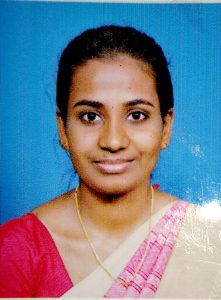
Mrs. Sanmathi Urs C.
Assistant Professor
Qualification : M. Sc, B.Ed
Experience : 06 Years
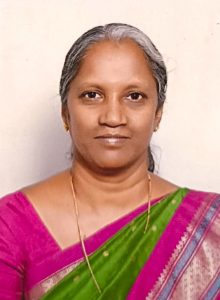
Dr. Jeyanthi C.
Associate Professor
Qualification : M.Sc., M.Phil, Ph.D.
Experience : 25 Years
Introduction
Sixty three years of merit and excellence have rolled in the history of the Department of Physics which was started in the year 1963 with pre-university education. In 1978 B.Sc. – PCM combination was introduced. Mr. S. Vishwanath was responsible for the development of the department at the initial stages serving the department from 1967 till his superannuation in the year 2001. The staff members of the academic and non-academic cadre have always been the stronghold of the department who have played key roles in the outstanding performance in various field of activities. Self-financing combinations PME and PMCs were introduced in 1996.
Core features:
- Experienced and well-qualified faculty and lab technician
- Spacious and well-equipped laboratory
- Certificate courses
- Guest lectures by experts
- Field visits
- Extension activities
- Hands-on training
- Outreach Programme
- Competitions
- Internship
Courses Offered: BSc (PCM and PMCs)
Certificate Courses Offered:
- Certificate Course on ” Renewable Energy Resources and Methods of its Optimal use”
- “Know Your Bank”
- Hands-on Training “Mobile Technology and Computer Hardware”
- Certificate Course on “Cell Phone Technology and UPS Battery Maintenance”
- National Anevshika Experimental Skill Test(NAEST – 2018) & (NAEST – 2019)
- One Day State level workshop on “Enquiry on…. Minds and Hands on” for Science Teachers in collaboration with Indian Association of Physics Teachers(IAPT)
- Energising Present & Future
- Women Rights and Indian Constitution
Programme outcome
Department of Physics
Programme Outcome | 1.Develop, implement the plan of action to acquire new knowledge for specific scientific goals in pursuit of new intellectual interests 2.Students should be able to critically assess current state of knowledge and expertise. |
Programme Specific Outcome | 1.Students are expected to acquire core knowledge in physics with special focus on mechanics, quantum mechanics, electromagnetic theory, electronics, optics, special theory of relativity and Modern Physics 2.Learn how to design and conduct experiments demonstrating their understanding of the scientific methods and processes. 3. Realization of the impact of physics and science on society. |
Course Outcomes | |
Courses | Outcomes |
Mechanics, Properties of Matter and Sound | 1.To understand the motion of point mass, Conservation laws, gravitation, rotational motion 2.To understand the concepts Properties of matter and sound 3.Students should be able to solve complex and diverse problems in classical mechanics , properties of matter and sound. |
Heat and Thermo Dynamics | 1.To understand the basic principle of the Laws of Thermodynamics, Role of Thermodynamic Cycles. 2.Explain the concepts of entropy, enthalpy, reversibility and irreversibility 3.Apply the first and second laws of thermodynamics to various gas processes and cycles, Maxwell’s thermodynamic relations |
Optics | 1.To understand the basic concepts of wave optics, physical optics and geometrical physics 2.Learn to conduct the experiments demonstrating the understanding of wave optics. |
Atomic Physics and Spectroscopy | Study of Modern Physics in the fields of : interaction of matter, effect of electric field and magnetic field, to learn the behavior of atoms/molecules in various energy states. |
Electronics | 1.To acquire knowledge and apply it to various electronic instruments 2.To motivate the students to apply the principles of electronics in their day-to-day life. 3.To learn the logic gates and to understand the action and application of counters |
Electricity and Electromagnetism | 1.To know the concepts of Electricity ,Gauss law, Faraday’s Law, Inductance, Alternating Current Circuits, Direct Current Circuits, Network Theorem 2.To understand Electromagnetic theory and problem solving skills |
Quantum Mechanics and Relativity | 1.Develop the concepts of modern physics: basic knowledge of special theory of relativity and general theory of relativity, elementary quantum mechanics, nuclear physics, and particle physics 2. Understand the relationship between observation and theory and their use in building the basic concepts of modern physics. 3.Understand how major concepts developed and changed over time. 4. Capable of analyzing and solving problems using oral and written reasoning skills based on the concepts of modern physics. |
Solid state physics | 1.Understand basic concepts and mathematical methods of solid state physics. 2.Obtaining the variables derived by problem solving method. 3. Explore important connections between theory, experiment, and current applications. 4.Develop a basis for future learning and work experience |
Nuclear Physics | 1.Acquire knowledge in the content areas of nuclear and particle physics, focusing on concepts that are commonly used in this area 2.Develop and communicate analytical skills in subatomic physics. 3. Develop familiarity with the vast areas of nuclear and particle physics as well as develop an interest in these subjects. |
Laser and Fiber optics
| 1.To provide adequate knowledge about the basic concepts of Lasers and optical fibres their properties and Industrial applications. 2.Distinguish Step Index, Graded index fibers and compute mode volume. 3.Classify the construction and characteristics of optical fibre/optical cable and its manufacturing techniques. |
Condensed Matter Physics
| 1. Explain the significance and value of condensed matter physics, both scientifically and in the wider community. 2.To acquire knowledge about the interplay between classical – and quantum mechanical phenomena, and how microscopic/atomic processes acting between many atoms/molecules produces the typical properties of different solid state matter. |
Statistical Mechanics
| 1.Apply the machinery of statistical mechanics to the calculation of macroscopic properties resulting from microscopic models of magnetic and crystalline systems. 2.Apply the Bose-Einstein distribution to the calculation of properties of black body radiation. 3.Apply the Fermi-Dirac distribution to the calculation of thermal properties of electrons in metals. |
Analog and Digital Electronics
| 1.To acquire the basic knowledge of digital logic levels and application of knowledge to understand digital electronics circuits. 2.To impart skill on how to design Digital Circuits 3.Analyze different types of digital electronic circuit using various mapping and logical tools and know the techniques to prepare the most simplified circuit using various mapping and mathematical methods. |
Radio Communication
| 1.Demonstrate the understanding of functioning of wireless communication system and evolution of different wireless communication systems and standards. 2.Compare different technologies used for wireless communication systems |
HOD'S Message
‘Work is Worship’ is the unwritten motto of the department handed over from generation to generation. The department of Physics aims to nurture excellence in teaching Physics by promoting extension activities in addition to academics. I look forward to our department, contributing greatly to the field of Physics for society in particular and Nation in general.
Vision and Mission
Vision:
Offering quality education for science students by creating a conducive atmosphere with an emphasis on academic learning and transforming the students into globally competitive, employable, and responsible citizens.
Mission:
- To stimulate intellectual curiosity, promote scientific temper and instill logical and analytical approach to Problem-solving.
- To motivate students to pursue research in emerging trends.
- To provide necessary support and services for the betterment of students’ progress and welfare and to instill social responsibilities.
Achievements
- Manasa D P honored with 2 Gold Medals and 2 Cash prizes being University topper in Physics during Mysore University Convocation – 2017.
- Tenzin Metok of III B.Sc (PCM) 2018-19 Batch, was selected for internship on merit basis at the premier Institute ‘ INDIAN INSTITUTE OF SCIENCE EDUCATION AND RESEARCH (IISER)’, PUNE.
- Jesica (III B.Sc -PCM) bagged 5 Gold Medal and 7 Cash prize during 103 University Convocation.
- Bhoomika B.A (III B.Sc -PCM) bagged cash prize for securing highest score in Physics at University level(during 103 University Convocation.)
- Vijayalakshmi P bagged cash prize for securing highest score in Physics at University level(during 104 University Convocation.)
Faculty Profile
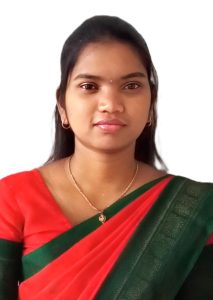
Ms. Nagarathna N.
Assistant Professor
Qualification : M.Sc.
Experience : 01
Specialization : Physics
Mrs. Sofia Ranjini S.
Assistant Professor
Qualification: M.Sc, KSET
Experience: 11 Years
Specialization: Solid State Physics
Introduction
Department of Zoology is one of the oldest departments of Teresian College, started from the inception of the institution in 1963. The department offers B.Sc degree with CBZ and CZBt combinations. The department is enriched with rare collection of specimens in the museums, well equipped labs and library. The department has qualified, experienced and highly motivated teachers involving themselves in teaching and extension activities. The department strives to promote overall development of students by inculcating a spirit of inquest, discipline and adventure through various academic and co-curricular activities.
Our pedagogy focuses on basic and applied fields of Zoology assisted with demos, models, videos, etc. The departmental laboratories include equipments such as Digital Weighing Balance, pH Meter, Compound Microscopes, stereoisomer, Dissection Microscopes, Water Bath, Electrophoresis Units, Power Pack, Microtome, Centrifuge, and Incubator.
Virtual Lab: Dissection of various animals is demonstrated on computer by using Digifrog software.
Adoption of an animal (Common Langur) at Mysore Zoo.
Courses offered: B.Sc. (CBZ and CZBt)
Syllabus: Click here for PDF
Zoology Program Outcomes:
- Students gain knowledge and skill in the fundamentals of animal sciences, understand the complex interactions among various living organisms
- Analyse complex interactions among the various animals of different phyla, their distribution and their relationship with the environment
- Apply the knowledge of internal structure of cell, its functions in control of various metabolic functions of organisms.
- Understands the complex evolutionary processes and behaviour of animals
- Correlates the physiological processes of animals and relationship of organ systems
- Understanding of environmental conservation processes and its importance, pollution control and biodiversity and protection of endangered species
- Gain knowledge of Agro based Small Scale industries like sericulture, fish farming, butterfly farming and vermicompost preparation.
- Understand the various concepts of genetics and its importance in human health
- Apply the knowledge and understanding of Zoology to one’s own life and work
- Develop empathy and love towards animals
Program Specific Outcomes:
- Understand the nature and basic concepts of cell biology, genetics, taxonomy, physiology, ecology and applied Zoology
- Analyse the relationships among animals, plants and microbes
- Perform procedures as per laboratory standards in the areas of Taxonomy, Physiology, Ecology, Cell biology, Genetics, Applied Zoology, tools and techniques of Zoology, Entomology, Sericulture, Biochemistry and Immunology.
Course Outcome
Animal Diversity – Invertebrates
- Describe general taxonomic rules on animal classification
- Classify Protista up to phylum using examples from parasitic adaptation
- Classify Phylum Porifera to Echinodermata with taxonomic keys
- Describe Phylum Nematoda and give examples of pathogenic Nematodes
Ecology, Zoogeography and Animal Behaviour:
- Distribution of fauna in different realms of interaction
- Understand Animal behaviour and response of animals to different instincts
- Interaction of biotic and abiotic factors
- Various kinds of Animal adaptations
Animal Diversity – Vertebrates & Developmental Biology:
- Imparts conceptual knowledge of vertebrates, their adaptations and associations in relation to their environment
- Classify phylum Protochordates to Mammalia
- Complex Vertebrate interactions
- Basic concepts of developmental biology
- Gains knowledge about gametogenesis, cleavage mechanisms, gastrulation and role of hormones in metamorphosis and regeneration
Cell Biology, Genetics and Evolution:
- Structural and functional aspects of basic unit of life i.e. cell concepts
- Mendelian and Non Mendelian inheritance
- Concept behind genetic disorder, gene mutations- various causes associated with inborn errors of metabolism
- Theories of Evolution
- Knowledge of eras and evolution of species
Physiology and Biochemistry:
- Seeks to understand the mechanisms that work to keep the human body alive and functioning Physiological and biochemical understanding through scientific enquiry into the nature of mechanical, physical, and biochemical functions of humans, their organs, and the cells of which they are composed
- Interactions and interdependence of physiological and biochemical processes
ANIMAL PHYSIOLOGY
- Students are taught the detailed concepts of digestion, respiration, excretion, the functioning of nerves and muscles
- Students gain fundamental knowledge of animal physiology
- Students gain skill to execute the roles of a biology teacher or medical lab technician with training, as they have basic fundamentals
Entomology:
- Imparts knowledge of beneficial and non-beneficial insects
- Knowledge of how they interact with their environment, other species and humans
- Classification of Insects
- Role of insects in spread of diseases
Immunology:
- Imparts indepth knowledge of tissues, cells and molecules involved in host defence mechanisms
- Understanding types of immunity
- Interactions of antigens, antibodies, complements and other immune components
- Understanding of immune mechanisms in disease control, vaccination, process of immune interactions
Environmental Biology
- Imparts knowledge to the student regarding environment and conservation biology.
- Gains knowledge in the areas of responses to Laws of limiting factor, Laws of minimum, Laws of Tolerance and Tragedy of commons
- Types of ecosystem – freshwater, marine and terrestrial.
- Population characteristics and dynamics – conceptual approach
- Growth curves and pyramids; sigmoid curve, J curve and hyperbola; logistic equation and concepts relating to growth.
- The students will be well equipped to become very competent in research or teaching fields after completion of this course.
Biostatistics:
- Biostatistics teaches them to use the best data analysis methods
- Students gain knowledge about statistical methods like measures of central tendencies, Probability.
HOD'S Message
The Department of Zoology was established with an aim to provide quality education to students and to contribute for the development of animal sciences and zoological studies. The Department places emphasis on laboratory component in the teaching curriculum and extension activities. The Department regularly organizes Seminars, Guest Lectures, educational trips to wildlife sanctuaries and national parks, various competitions etc. We focus on student centric learning by organizing student seminars and poster presentations on the topic related to environment, biodiversity and conservation.
A graduate degree in Zoology opens a vast range of career opportunities in the field such as Teaching and Research, Forensics, Indian Forest Services, Zoo curators, Museum Curators, animal and Wildlife educators, Wildlife rehabilitators and Conservators, Research Projects and in higher specialized studies. The career opportunities for a post graduate in Zoology are limitless. Some of the employment areas which provide huge openings for the Zoology candidates are medical laboratories, wildlife rehabilitation centers, hatcheries, agricultural departments, museum services, conservation agencies, scientific civil services, environment or ecosystem management sector, environmental consulting firms, and so on. In addition, there are numerous opportunities in the field of research in India and abroad.
Vision and Mission
Vision:
Envisions to inculcate the values of life, science education, respect for nature and concern for ethical values among students through good scientific educational practices.
Mission:
- To impart to the students the contemporary advancements in life sciences.
- To get expertise /skills in techniques of biological sciences.
- To bring about an awareness regarding nature, biodiversity and conservation of animals.
- To establish peaceful environment and life for community and society.
Achievements
- Results for the past five years were excellent. The department has secured 100% results.
- Hurmine Ridha of III B.Sc., CZBt (2016-2017) Scored 995 out of 1000 Marks in Zoology. Topper in the University of Mysore. She was invited as a guest of honour by the honourable Prime Minister of India to witness the Republic Day Parade in 2018 from Prime Minister’s box, Rajpath, New Delhi.
- Many Students have secured 100/100 in Zoology papers.
- 70% of passed out students join P.G courses
Faculty Profile
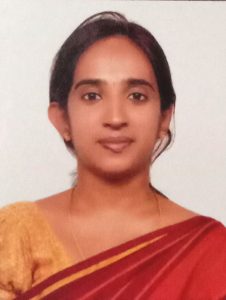
Mrs. Kavitha R. S.
Assistant Professor
Qualification : M.Sc.,B.Ed., KSET
Teaching Experience : 09 years
Specialization : Cell Biology and Genetics
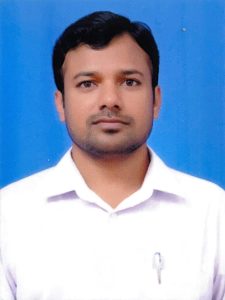
Mr. Vivek Charles
Assistant Professor & HOD
Qualification : M.Sc., M.Phil. KSET
Teaching Experience : 10 years
Research Experience : 04 years
Specialization : Vector Biology, Applied Zoology, Biocontrol
Introduction
The department of psychology was established in the year 01- 07- 2001. Psychology was introduced as optional subject for both BA and B.Sc. courses.
COURSES OFFERED
following are the courses offered.
B.A
- Psychology, History, Sociology.
- Psychology, Sociology, English.
- Psychology, History, English.
B.Sc.
- Psychology, Human Development and Family Studies, Clinical Nutrition & Dietetics
PROGRAMME OUTCOME
Specific outcome
- Knowledge base of Psychology:
Students can describe key concepts and principles, theoretical perspectives, historical trends in psychology.
- Research Methods in Psychology:
Students will understand and apply research methods in psychology including research design, analysis of data and interpretation.
- Application of Psychology:
Students will understand and apply psychological principles to personal, social and organizational issues.
- Professional Development:
Develop meaningful professional direction for life after graduation and set career goals.
- Communication Skills:
Students will be able to communicate effectively in a variety of formats.
- Socio-Cultural Awareness:
Students will recognize, understand and respect the complexity, socio-cultural and international diversity.
COURSE OUTCOME:
- Basic psychological processes 1and 2:
This paper is an introductory course. It gives historical sketch of signs of psychology and a glimpse into methods used in psychology. It provides knowledge about biological foundations of behaviour, processes underlying sensation, perception, cognition and memory. The paper provides a practical knowledge based on the topics in the theory and hence gives a hand on experience about the application of theory.
- Life Span Development:
This paper gives a comprehensive knowledge about the study of human development. It focuses on the different domains with an emphasis on psychological processes underlying perceptual, cognitive, social and emotional development.
- Social Psychology:
To enable students to understand how human behaviour is influenced by social and cultural context. It focuses on how an individual perceives one self and others in the social context and also how social problems can be analyzed in terms of psychological theories.
- Organizational Behaviour:
To enable students to examine relevant concepts of organizational behaviour and help them think critically about OB concepts and applications.
- Counselling:
This course familiarizes the students with the nature and process of counselling, its major theories and techniques and exposes them to the fields of application of counselling.
- Abnormal Psychology:
Introduces students to the study of human behavioural disorders, examines nature, clinical picture and etiology of psychopathology. Students are also introduced to various therapeutic techniques.
- Health Psychology:
It attempts to equip the students with the basic interaction of biological, psychological and social factors related to health and illness.
- Life Skill Psychology:
Attempts to equip students with personal, social and interpersonal skills that enable them to cope with the demands of everyday life, build self-confidence and help to communicate more effectively.
- Educational Psychology:
The course is designed to promote an understanding of the application of psychological principles in the process of education and to critically evaluate various applications of psychology in educational settings.
- Sports Psychology:
To understand sports psychology as an independent discipline with its multi-dimensional perspectives on the relationship of personality and situational factors on performance and team events and to discuss the role of psychological interventions.
PROGRAMME OUTCOME:
- This programme educates students by enhancing their understanding of behaviour and its biological, emotional, social and cognitive roots and effects.
- Help them plan and acquire new knowledge in specific field of psychology and set career goals.
HOD'S Message
Psychology, apart from being an interesting subject, has an important role to play in this fast changing and competitive society. Today’s social scenario demands for a need for trained counselors and clinical psychologists, making the subject more significant. From the time of its inception, the department has progressed with cent percent results and students have taken up higher studies in various fields of psychology like clinical, organizational, counselling, forensic psychology and so on. The students are encouraged to publish paper and to take up internships in order to gain practical knowledge. The department proudly announces that our students are working in the field of teaching, counselling, and as NGOs, research assistants and in clinical settings.
Vision and Mission
VISION
To help students have a better understanding of human behavior and to get acclimatized to personal and professional life
MISSION
- To familiarize students with different basic and applied fields of psychology
- To provide guidance and inspiration to choose their area of interest
- To provide practical knowledge through internships and field visits
- To provide a good foundation for future psychologists, counsellors, and mental health professionals.
Achievements
PAPER PRESENTATION (2018-19)
The first-year students presented a paper in two days national conference on ‘psychology in the transforming world’ held at Jain university, Bangalore on 9th -10th march 2018. The papers were published in a book ‘transforming psychology’. ISBN: 978-198783072.
- Veolene Elizabeth Jacob, 1st BA presented a paper on the topic ‘Anxiety among Female college students’
- Dania Muhammadi Nayyar, 1st B. Sc. presented a paper on ‘concept of health among women’.
- Two second year Bsc (Frm, HD, Psychology) students namely Varsha M S and Minha Kottakkuth presented a poster titled “Relationship Between Nomophobia and Depression, Anxiety and Stress among post graduate students” at CHRIST (Deemed to be university) Bengalure, on 4th February 2019.
GOLD MEDALS
Name of the student | Name of endowment | year |
Megha Gurudas Dania Muhammadi Nayyar Apoorva V T Syeda Zoya Imran & Neha P Varur Roshini VP | Sri Badri Prasad Gold medal Prof. Natraj Gold medal Prof. Natraj Gold medal Prof. Natraj Gold medal Prof. Natraj Gold medal | 2019 2020 2021 2022 2023 |
Faculty Profile
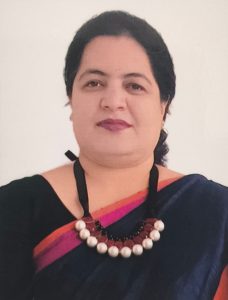
Mrs. Nasreen Afza
Assistant Professor & HOD
Qualification : M.Sc., MPhil
Experience : 19 Years
Specialization : Clinical Psychology
Introduction
HOD'S Message
Human Development is a comprehensive field of study which integrates areas of human development dealing with a variety of arena related to it. The study defines the progress of Human Development happening in the areas of Biology and other Social Sciences detailing of Human Development and Development Psychology.
Human Development as an important aspect, both directly and indirectly affects the growth of an economy. Based on the development of human needs from psychological to physical level deems the grounds for the progress of a country. Laying more weight age to this aspect, the program trains to imbibe in candidates the skills of leadership, communication and carrying out management related tasks. Students are required to have good interpersonal skills wherein they can deal with people from different genres and belong to different ethical grounds.
The curriculum is designed in a manner wherein the students are qualified to handle situations by applying logic and communication skills. The topics covered ranges from psychology, the study of human and child rights and development, research methodology and management skills. The classroom study and fieldwork imbibe in students the competence to carry on research work, making them competent enough to start with private coaching, administer workings of the community and other such skills.
Human Development provides an excellent platform for students to polish their interpersonal skills, learn time management, gain leadership and management skills as well as possess excellent organizational abilities. The students are able to work in a team as well as on individual grounds, thereby making them competent to carry on further research and field work. After the successful completion, graduates have the opportunity in fields of training centres, community governance, recruiting agencies, organizational development centres.
Courses Offered :
Human Development, Clinical Nutrition and Dietetics and Psychology
Syllabus: Click here for PDF
Programme outcome:-
The Bachelor’s degree program in Human Development trains students in integrating the perspective of multiple disciplines and apply them to contemporary real world situations. Students are enriched with competencies in understanding and demonstrate ability by utilizing inter-personal and communication skills through variety of methods, leadership abilities, team spirit, awareness and sensitivity towards community development and family studies.
Course outcome:-
- Understand and achieve knowledge about different theories related to different stages of human development and it will help in developing the skills and techniques to plan and execute activities in ECCE centres of different types such as day care centre, preschool, crèches etc.
- The course introduces basic concepts in guidance; counselling and therapy and help students understand the need for guidance and counselling in human development.
- The students will also get hand on experience by going for Internship in various related Institutions and Organizations.
- This course will help the students to understand family as a component of socio-cultural context and familiarize them with developmental perspective in family life cycle.
- The course will enable students to become aware and sensitized to issues related to different vulnerable population such as elderly person with disabilities, women, children, etc.
Welcome to the Department of Human Development and engage in the study of Human development and well-being of individuals in Physical, Psychological and Social context.
Vision and Mission
VISION – Global leadership in human development and excellence in education and healthcare.
MISSION – To strive to promote human development, learning, promoting health care and well-being through high quality education and services.
Achievements
- Nishadath Banu was awarded two gold medal at the annual University Convocation held in 2019 for securing highest marks in Home Science.
- Aisha Suhana was awarded gold medal at the annual University Convocation held in 2019 for securing highest marks in Home Science
Faculty Profile
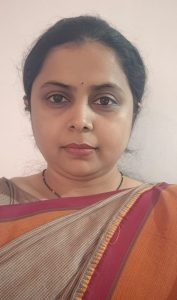
Mrs. Kavya Kumar H.
Assistant Professor & HOD
Qualification : MSc., in Human Development, PGDHRM
Experience : 05 Years
Specialization : Human Development
-
Address:
Teresian College,
Bannur Road,
Siddarthanagar,
Mysuru 570011 - Phone 0821-2471316
- Email: email@teresiancollege.ac.in